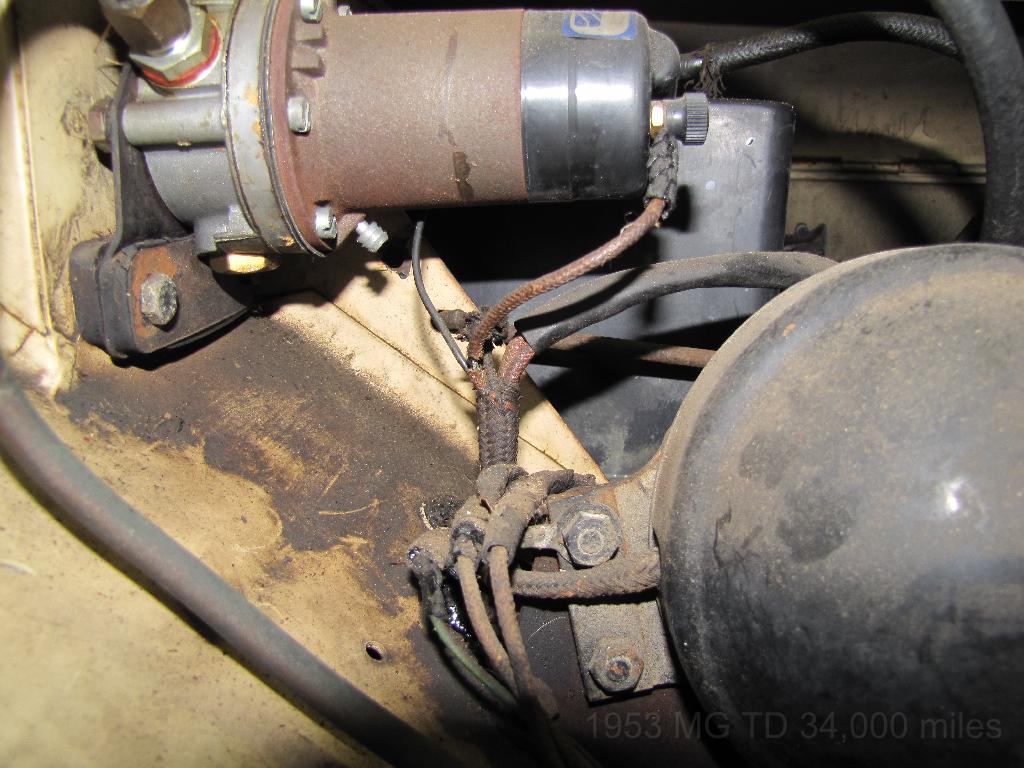
the one that got away 🙂
I’ve been around race cars and shop floors long enough to know that some mistakes never quite leave you.
My first car – this would’ve been the early 1960s – I was about 14 years old, was a 1955 MG TF with a 327 Chevy engine fitted into it. It was raw, overpowered, and completely impractical… which is exactly why I loved it. To this day, it’s still the car I measure all others against.
At some point I decided it deserved a proper paint job. So I started disassembling it—methodically at first—until I got to the fenders and the lighting. That’s where experience—or the lack of it—caught up with me.
I cut the wires. No labels. No notes. No diagram. Just assumed I’d remember how it all went back together.
But I didn’t remember…..
What followed was frustration, second-guessing, and eventually walking away from the project altogether. I ended up trading that car for a 1956 Buick Roadmaster convertible, which was a fine automobile in its own right—but it wasn’t that MG. And even now, decades later, I still regret not finishing what I started.
After years of building and maintaining sprint cars and specialty vehicles, I can tell you with confidence: wiring is one of the most common reasons good projects stall out. Not because it’s impossible – but because it demands patience, discipline, and attention to detail in a way that mechanical work often doesn’t.
When I’m dealing with a car that’s already wired but poorly organized, I approach it the same way every time.
First, I stop and assess. There’s always a tendency to start pulling things apart immediately—that’s a mistake. You need to understand what you’re looking at before you change anything. Even bad wiring has a pattern to it.
Next, I look for obvious weaknesses. Loose connections, poor crimps, corrosion—these are often the root cause of larger issues. One compromised connection can create symptoms that look far more serious than they are.
Grounding is critical, especially in fiberglass-bodied cars. Unlike steel-bodied vehicles, you don’t have a natural return path through the chassis. Every ground must be deliberate, clean, and secure. If it isn’t, you’ll spend hours chasing intermittent faults.
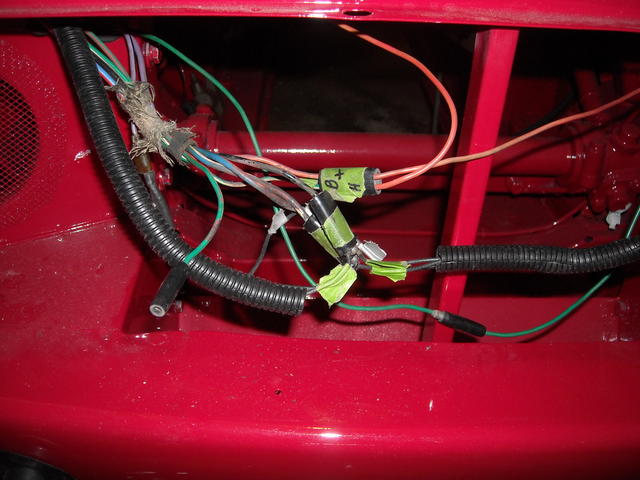
From there, documentation becomes essential. Every wire that’s disconnected gets identified. Every wire that’s cut gets labeled on both ends. A simple method is to use masking tape flags with matching numbers—quick, effective, and reliable.
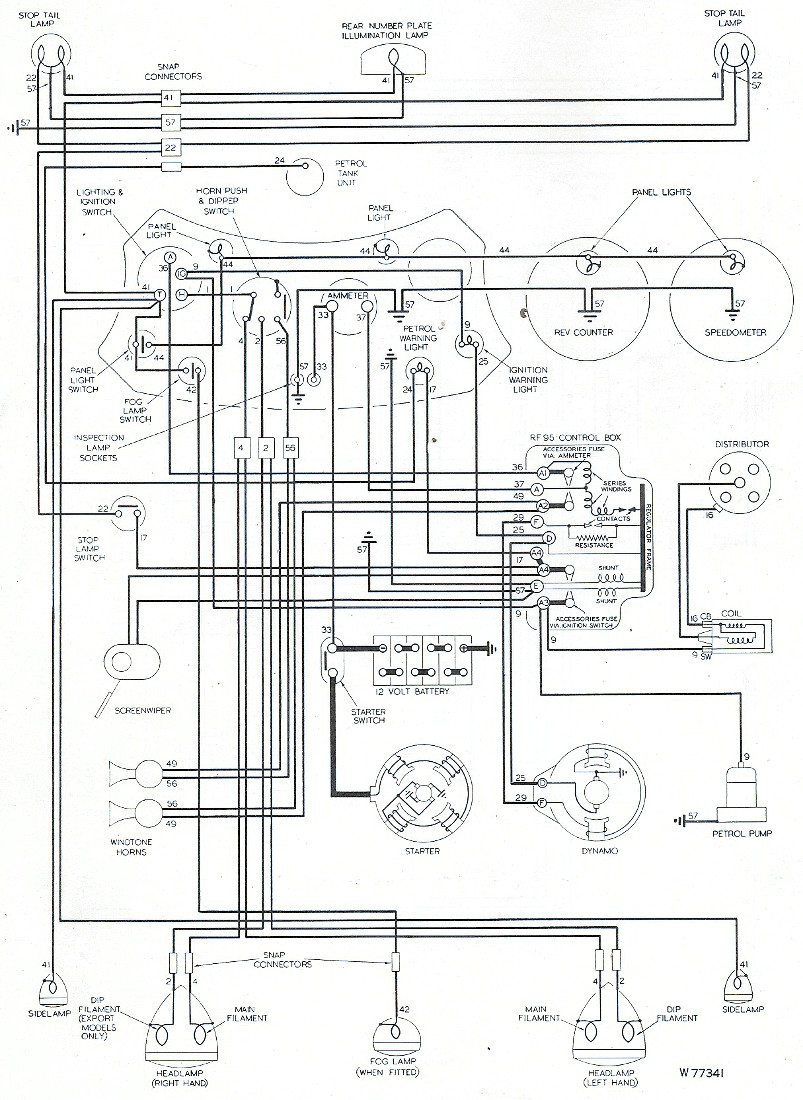
I also make a basic diagram as I go. It doesn’t need to be formal—just clear enough that I can retrace my steps later without relying on memory.
Because ultimately, electrical work comes down to time and patience. There’s no shortcut for either. And when you factor in labor, there are times—especially in a professional shop—where it’s more practical to remove a compromised wiring system entirely and install a new one.
That approach isn’t about taking the easy way out. It’s about recognizing when starting over is the most efficient and reliable path forward.
We’ll get into that in more detail in part two.
– John Mickle